
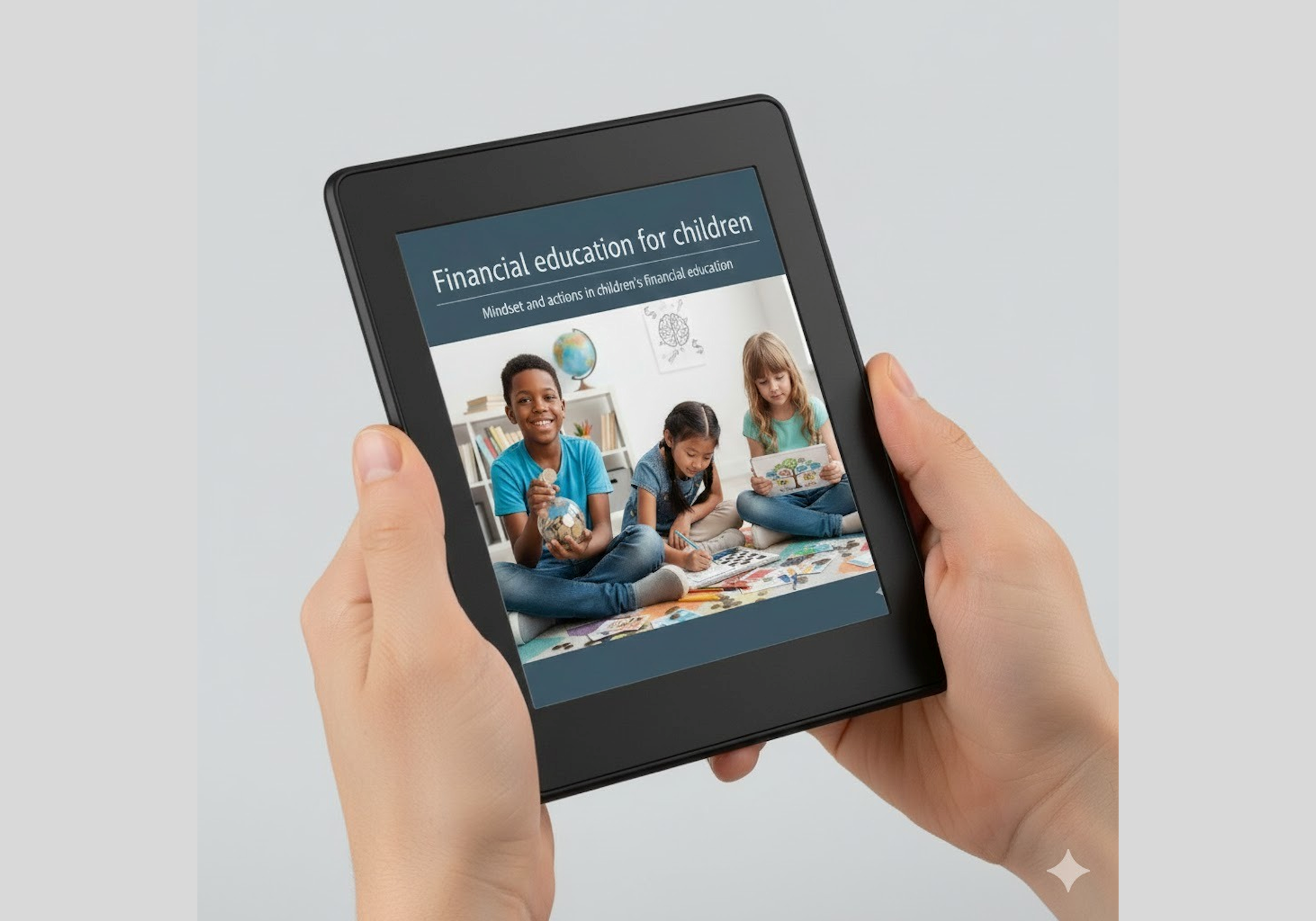
Description
The wealthy mindset: a guide to financial psychology and practical education for kids
Have you ever wondered why some children grow up to be financially disciplined while others struggle with impulsive spending despite having the same resources? The secret doesn’t lie in the amount of money they have, but in the psychological and emotional foundation built during their most formative years. As a parent or educator, you hold the key to shaping a child’s relationship with money long before they ever receive their first paycheck.
This book is far more than a simple guide to saving coins. It is a deep dive into the developmental psychology of children and how it intersects with financial concepts. You will discover how a child’s brain perceives value, reward, and delayed gratification at different ages.
Understanding the “Why” is just as important as the “How.” Before you teach a child about interest rates, you must first help them master their emotions. This book shows you how to nurture a healthy, anxiety-free attitude toward wealth, ensuring that money becomes a tool for security and growth rather than a source of stress or power struggles.
Designed for parents and educators alike
Whether you are sitting on the living room floor with your preschooler or standing in front of a classroom of primary students, this book provides the framework you need.
- For parents: Learn how to navigate the “I want it now” phase and how to involve your children in family financial decisions in a way that is age-appropriate and empowering.
- For teachers: Discover classroom-ready activities that align with developmental milestones, making financial literacy a seamless part of your educational curriculum.
From theory to play: practical games and activities
Children don’t learn finance through lectures; they learn through play and experience. This book is packed with creative, field-tested activities and games tailored for preschool and primary-aged children (ages 3 to 11).
- The emotional IQ of money: Learn games that help children identify the feelings behind spending—distinguishing between a “hunger” for a toy and a “need” for a tool.
- Preschool foundations (ages 3-6): Simple, sensory-based activities like “The Three Jar Journey” and “Value Sorting” that introduce the concepts of Give, Save, and Spend.
- Primary school mastery (ages 7-11): Interactive “Mini-Economy” simulations, “The Grocery Store Challenge,” and “Entrepreneurial Saturdays” that teach the relationship between effort, value creation, and reward.
Why early financial education is a health priority
Research shows that financial stress is one of the leading causes of anxiety in adulthood. By starting at age three, you are providing a preventative health measure. You are giving your child the emotional resilience to navigate a consumerist world. You will learn how to teach them “delayed gratification”—the single greatest predictor of long-term success—not through restriction, but through the joy of reaching a goal.
What you will waster inside this book:
- The psychology of choice: How to help children make confident decisions.
- Emotional regulation: Strategies to handle the “peer pressure” of trends and brands.
- Practical life skills: Real-world examples of chores, commissions, and budgeting that actually work.
- Interactive storytelling: How to use narratives to explain complex topics like debt and investment.
Are you ready to transform your child’s future through the power of healthy financial parenting? Start this journey today and turn every everyday moment into a lesson in prosperity.









 ©2025 PSIHOLOGIA BANILOR - All Rights Reserved - Powered by


What others are saying
There are no contributions yet.